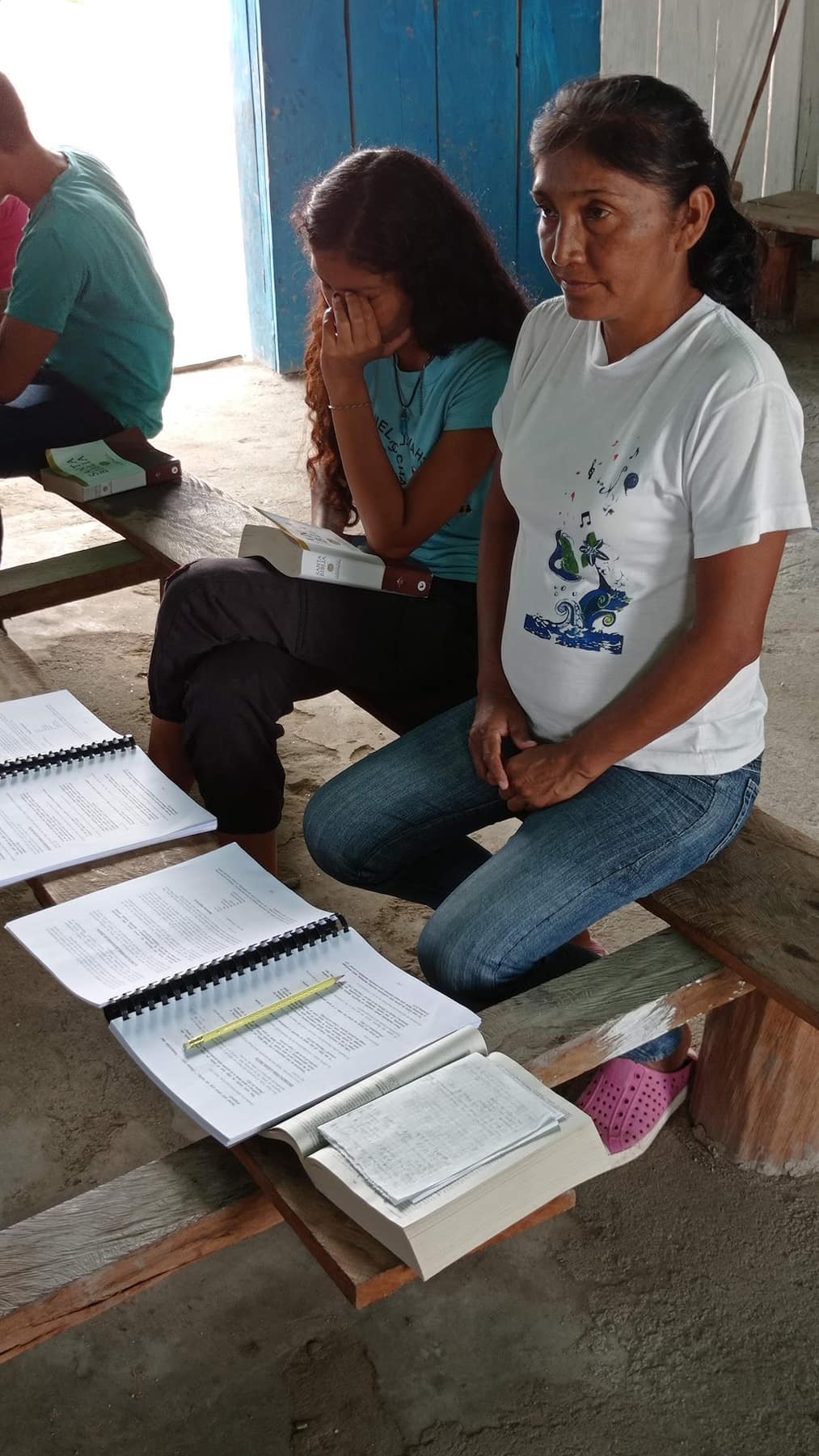
Spend a few days in a community and you’ll notice it: hens wander around the house, and the people who keep an eye on them, who feed them, gather the eggs and notice when a bird is sick, are very often women and children.
Yet when a training session comes, the men often sit at the front. The women listen from a distance, or can’t attend at all because they’re cooking, caring for the little ones or working in the fields. The result is a project where the people who learn are not the people who do the caring.
Look at who does the work
Talking about a gender perspective in a poultry project isn’t complicated. It simply means asking who does each task, who makes the decisions and who benefits, and designing the training with those people in mind.
If women feed and care for the birds every day, they need to know how to recognize disease, keep the henhouse clean and keep the egg records. Otherwise the knowledge stays with people who won’t use it.
Training that women can actually use
Including women takes practical details:
- Choose times that don’t clash with meal preparation or work in the fields.
- Let them come with their children, or arrange for someone to watch the children during the session.
- Use the community’s language and concrete examples, with demonstrations at the henhouse itself.
- Make room for women to ask questions and share what they already know, which is usually a lot.
Women teach, too
When a woman learns, what she knows reaches the whole household. She teaches her daughters and sons as they work together, and shares it with other women in the community. Training women as promoters or teachers multiplies the reach of any program.
And when women take part in decisions about eggs and income, the benefit is more likely to reach the children’s table.
A biblical view
The Bible shows hardworking, wise and responsible women who are entrusted with the well-being of their household.
“She looketh well to the ways of her household, and eateth not the bread of idleness.” Proverbs 31:27
In Jesus’ ministry, women were not spectators: they followed him, served, and were the first to announce the resurrection. Giving them a place in training isn’t a trend; it’s recognizing the place God has already given them in the life of the family and the church.
A complete project
Training that includes women doesn’t benefit them alone. It makes the project work better, keeps the knowledge in the community, and ensures that the fruit of the work reaches the whole family.